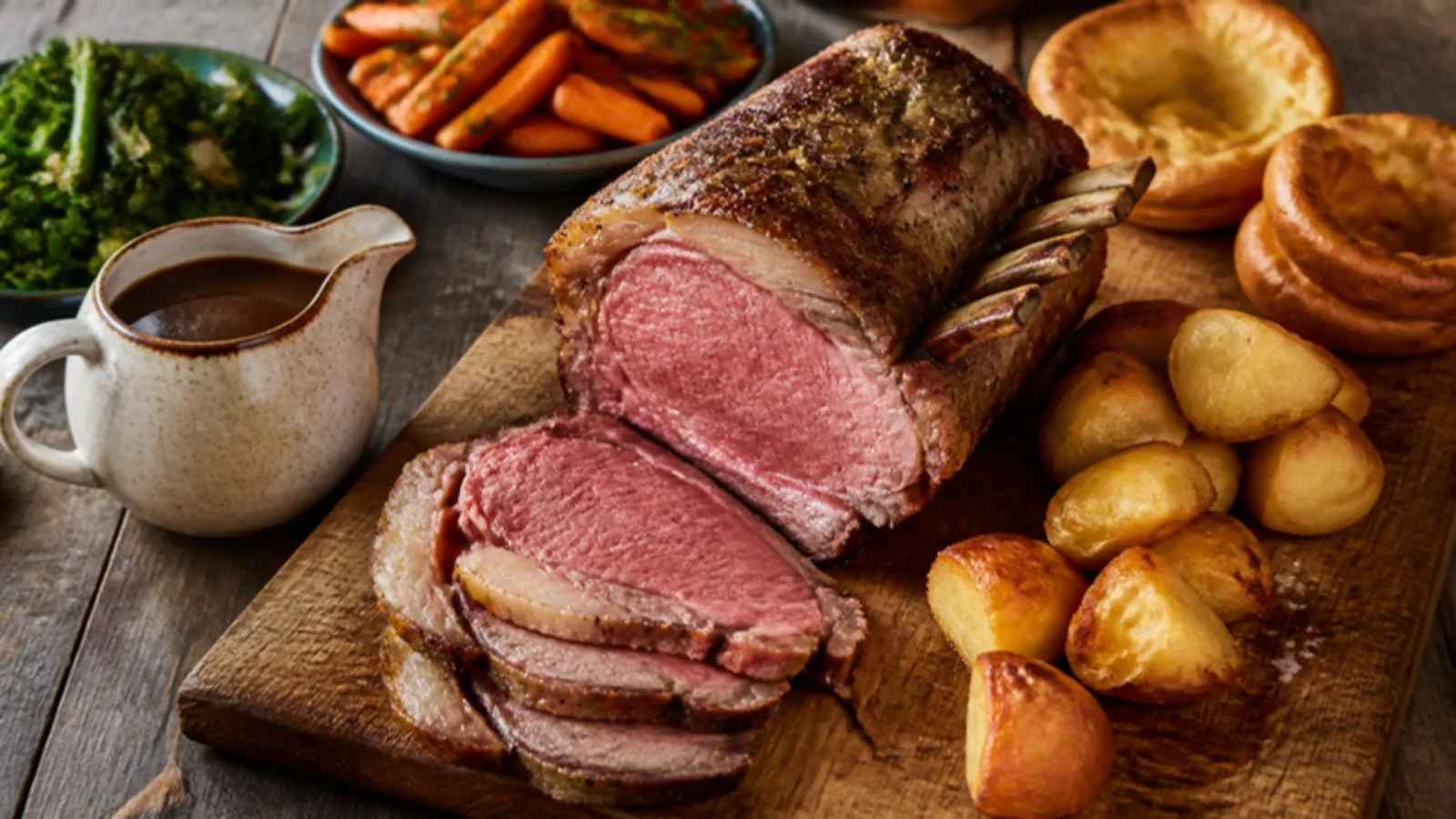
A Sunday roast is one of the simplest meals to cook well, once you know the timings. Here's our guide to roasting every joint, and the most important tool in the kitchen: a meat thermometer.
The basic method
- Take the joint out of the fridge 30–60 minutes before cooking.
- Weigh it (with any stuffing) and work out the time below.
- Season well and roast at 220°C (200°C fan, gas 7) for the first 20 minutes to brown it.
- Turn the oven down to 180°C (160°C fan, gas 4) and cook for the time per 500g below.
- Rest it, loosely covered with foil, before carving.
Roasting times
After the first 20 minutes at high heat:
| Joint | Time per 500g | Take it out at | Rest |
|---|---|---|---|
| Beef, rare | 10–12 mins | 50°C | 20–30 mins |
| Beef, medium | 15 mins | 60°C | 20–30 mins |
| Beef, well done | 20 mins | 70°C | 20–30 mins |
| Lamb, pink | 15 mins | 60°C | 15–20 mins |
| Lamb, well done | 25 mins | 70°C | 15–20 mins |
| Pork | 25–30 mins | 70°C | 20 mins |
Example: a 2kg beef joint, medium: 20 minutes, then 4 × 15 = 60 minutes. That's 1 hour 20 minutes in the oven, plus a 20–30 minute rest.
On the bone? Bone conducts heat differently, so start checking a little earlier and trust the thermometer.
Roast chicken
Chicken is easiest at a steady 190°C (170°C fan, gas 5): allow 20 minutes per 500g, plus 20 minutes. It's done when the thickest part of the thigh reaches 75°C, or the juices run clear with no pink. Rest it for 15 minutes.
Why a thermometer beats the clock
Ovens vary, joints vary in shape, and timings can only ever be a guide. A simple probe thermometer tells you exactly when your beef is pink or your pork is cooked through. It's the single best thing you can buy to improve your roasts. The temperature rises a few degrees while the meat rests, which is why the table says "take it out at".
Don't skip the rest
Resting lets the juices settle back into the meat, so it stays moist when you carve. A large joint stays hot for 30 minutes under foil, which conveniently gives you time to crisp the potatoes and make the gravy with the roasting juices.
How to get perfect pork crackling
- Ask us to score the skin, or do it yourself with a very sharp knife: cut through the skin and into the fat, not into the meat.
- Dry it. Leave the joint uncovered in the fridge overnight if you can, then pat it completely dry with kitchen paper. Dry skin crackles; damp skin doesn't.
- Salt it generously, rubbing salt into the scores, just before roasting.
- Start hot. Roast at 220°C (200°C fan) for 25–30 minutes until the skin starts to blister, then turn down and continue as above.
- Still not crisp? Remove the crackling when the pork is done, and put it back under a hot grill or in a very hot oven for a few minutes while the meat rests. Watch it closely.
Don't cover pork with foil while it cooks, and don't baste the skin.
Which joint to choose
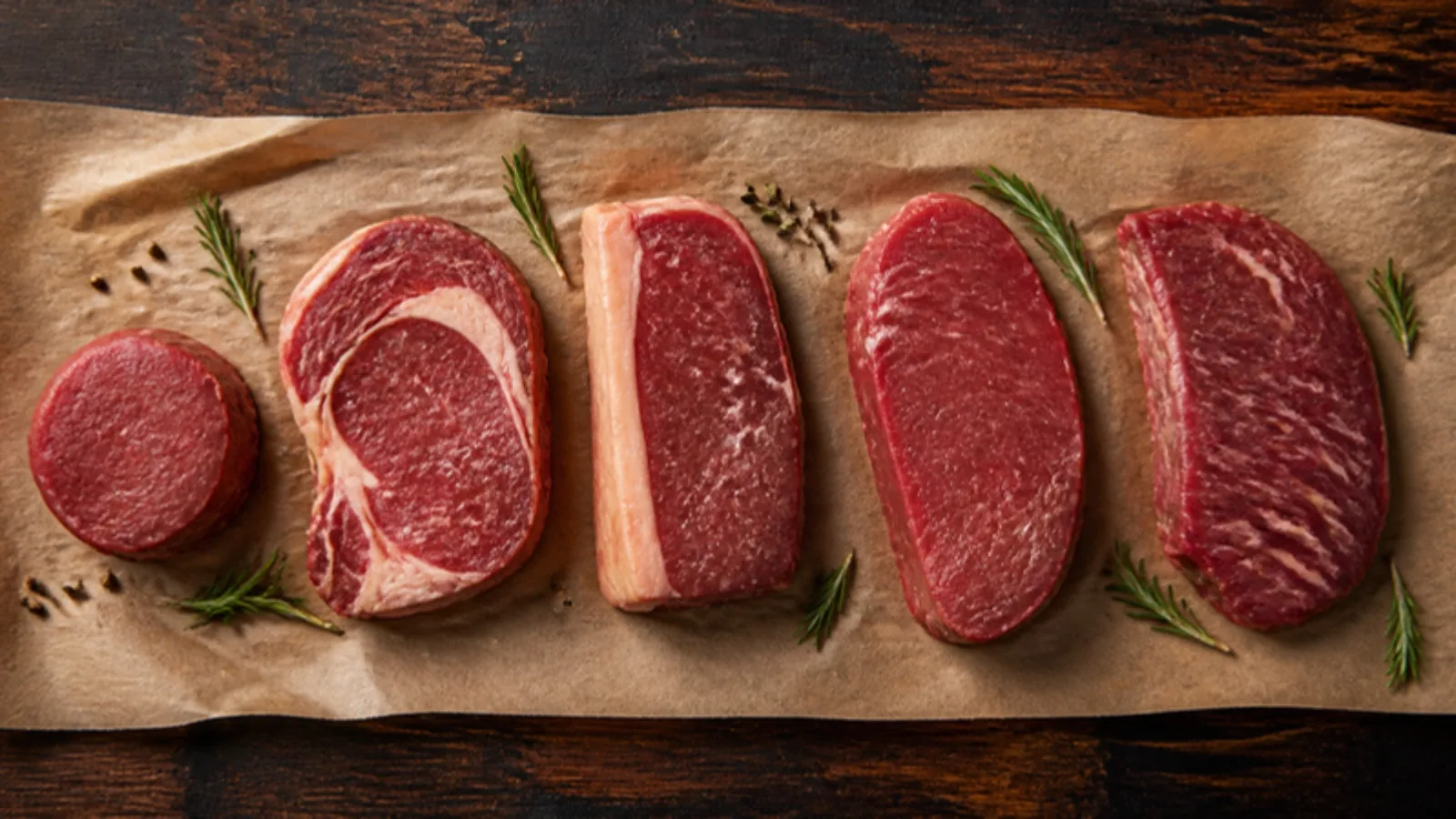
- Beef: topside and silverside are lean and good value. Sirloin and rib are the luxury choices. Rib on the bone is the showpiece.
- Lamb: leg for neat slices; shoulder for slow-roasting until it falls apart.
- Pork: loin for neat slices and crackling; shoulder or belly for slow-roasting.
Need a joint for a particular number of people? Allow about 200–250g of boneless meat per person, or 350g on the bone. Browse our roasting joints, and if you're unsure, ask us.